Kho tài liệu về thư pháp Latinh

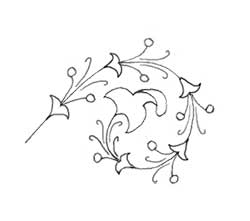
Bác ơi, bác có những hình nào khác tương tự thế này nữa không ạ, nhất là về hoa ấy. :D Em muốn vẽ hoa cho vài bài thơ thẩn.
Bác đọc tiếng Anh nhé:
ZIG Scroll & Brush pens: The Basics!


What's so great about ZIG Scroll & Brush pens?


And, they're part of the ZIG Memory System range of markers which means that they're....
  • Acid free
  • Pigment Ink
  • Lightfast
  • Archival Quality
  • Photosafe
  • Waterproof
  • Non-bleeding


So ideal for cardmaking, scrapbooking or anything you want to last the test of time!


They also come in 48 Colours and are blendable with any of our ZIG Memory System markers.


The Scroll tip....


ZIG+Scroll+%2526+Brush+-+Scroll+tip.jpg


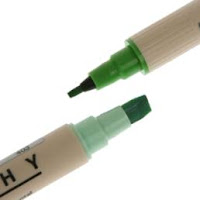
The Scroll tip is an indented calligraphy tip that creates a solid break in writing.


Well, they're double ended markers and extremely versatile! They have a notched scroll tip for calligraphy writing on one end and a flexible brush tip for rubber stamping and brush lettering on the other. So, two pens in one!


What can you do with the Scroll tip?


Blend the tips!...


ZIG Tip! If you have a selection of ZIG Memory System markers, but not the colour you need in the Scroll and Brush pen, no problem! Just blend the colour that you want onto the Scroll tip the use as normal and it will write in the new colour! To change back to original colour, simply dab onto tissue or use until the original colour returns.


The tips can be blended with other ZIG Scroll tips, or any marker in the ZIG Memory System


To blend your pens, hold them vertically, and without applying any pressure, allow the ink to flow into the pen below. The longer you hold the pens together, the longer the 2nd colour will last on the tip!

Try it on one part of the Scroll tip, to create effects like this...
Calligraphy lettering & flowers...

The Scroll end is a calligraphy tip so you can do the same lettering, flowers and motifs using the Scroll & Brush pen as you can with the ZIG Calligraphy marker tip. The scroll effect


Use the scroll tip to edge your paper....
gives a really different look to flowers and flourishes, especially when you start blending!


Just remember to keep the Scroll tip at an angle of 45 degrees when doing lettering or calligraphy flowers, start from the middle working outwards and turn the paper each time you do a new petal.


ZIG Tip! I actually found the Scroll tip a real help when learning to do Calligraphy, it's slightly less forgiving if you don't hold it at 45 degrees which gets you into the habit of holding it at the correct angle!


Simply place the paper in the slot of the Scroll tip and drag the pen down to create a defined edge for your projects......


Kim Dellow "Smile"


Create borders...
Use the Scroll tip to create borders for your cards and scrapbook layouts.


The Brush tip...


zig-scroll-brush-example.jpg


The Brush tip is a flexible and versatile tip, great for rubberstamping, brush writing and simple motifs.


What can you do with the Brush tip?


Blend the tips....

You can blend the brush tips by simply painting one colour onto the tip of another....


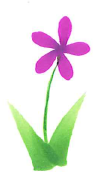
Create simple flowers...

Simply push the brush tip down to create a petal effect, turn your paper and continue to add petals until you have a little flower!


Here's some I did earlier, they're super easy so give them a try!


Brush Writing...

The brush tip is of course great for Brush Writing! When doing brush lettering, you use the side of the tip and don't be afraid to apply pressure as this is when you will create the thickest lines.


A good place to start is to do a few flicks to get a feel for the brush tip....


I learnt to do my Brush Lettering by watching some of Martha Lever's video tutorials on YouTube, you can find them here

Rubberstamping...

The flexible Brush tip can be used directly onto rubberstamps or you can use the brush end to colour your stamped images.

We love this video tutorial from docrafts which shows how to use the Brush tip with rubberstamps as well as some other great techniques with the Scroll & Brush tips....


There are loads of really simple little designs you can do with the Scroll & Brush pens, here's some I've done today (and if I can do them, you definitely can!)

Flowers with the Brush tip...


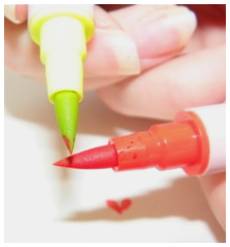
And the easiest of them all...hearts with the Brush tip!....


Why not have a play and see what you can come up with?


KimDellowScrollAndBrush.jpg

"To You" using the Scroll Tip by Kim Dellow

ZIG Scroll & Brush pens aren't just for craft!


California based artist Arlen Dean uses the brush tip for his amazingly detailed work. We'll be featuring more of Arlen's work on the ZIG blog soon.


"Stare" by Arlen Dean
Also Comic Artist John Mccrea uses the brush end of the Scroll & Brush pen to ink his work, check out his blog post and find out how his does it.


Need a bit more help?

  • We've got some downloadable practice and idea sheets on our website
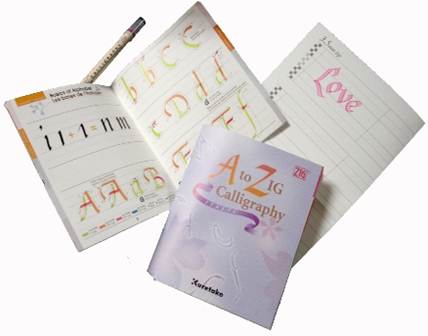
  • Check out our A-ZIG book which will get you started with calligraphy in no time! More about this book on our Calligraphyblog post.


A-ZIG Calligraphy book - a must have starter book for Calligraphy!


  • Check out Martha Lever's fab video tutorials with loads of different ZIG pens


How else do you use your ZIG Scroll & Brush pens? We'd love to hear!
http://kuretakezig.blogspot.com/2011/08/zig-scroll-brush-pens-basics.html
 
ZIG Calligraphy markers: The Basics!


ZIG Calligraphy pens are part of the ZIG Memory System, a premier line of markers manufactured by us in Japan.


Picture1.jpg


Any Kuretake pen that has the ZIG Memory System logo...


Is a Pigment Ink marker - a type of ink that is light fast, waterproof, fade-proof and non-bleeding. Anything written with a pigment marker is going stand the test of time and won't harm your photos as they're Photo safe and Acid-free!


The ZIG Memory System was originally designed for scrapbooking and crafting and have been staple items in many crafters kits for years. Due to their unique blending and archival properties, they're used on a huge range of other artwork and we'll be featuring some different artists on the blog over the next few weeks.


A few facts about ZIG Calligraphy pens...


ZIG+Calligraphy+pen+tip+sizes.jpg


  • They're available in 48 colours
  • They're double ended with 2mm & 5mm tip
  • As with all double ended pigment markers - they must be stored horizontally! This is to keep the ink flowing nicely from both ends. Been storing them upright?! Tut tut. But no worries, just lay them horizontally again, leave them for a few hours and they'll be good as new!
  • They also come in metallic and pastel colour sets that look amazing on black card!


Some simple ideas to try with ZIG Calligraphy pens


Blend the tips...


All ZIG Memory System pens are blendable, which means you can add colours from one pen to the other, directly onto the tip to create amazing two toned effects.


To blend your pens, hold them vertically, and without applying any pressure, allow the ink to flow into the pen below. The longer you hold the pens together, the longer the 2nd colour will last on the tip!

Try it on one side of the tip to create shading, or both sides for a ribbon effect. You could even blend a couple of colours onto one tip.


Want the pen to go back to its original colour? Simply use on some scrap paper until the pen returns to it's original colour, (which it will, completely!) or you could dab a tissue on the tip to soak up the added colour.

And...the pigment ink of ZIG pens is SO intense that you can even blend light colours onto dark ones!

Tip! You can blend any ZIG Memory System pen with the Calligraphy tip, so you can mix and match your colours across the range.

Click to watch our blending tutorial!


Create simple flowers...


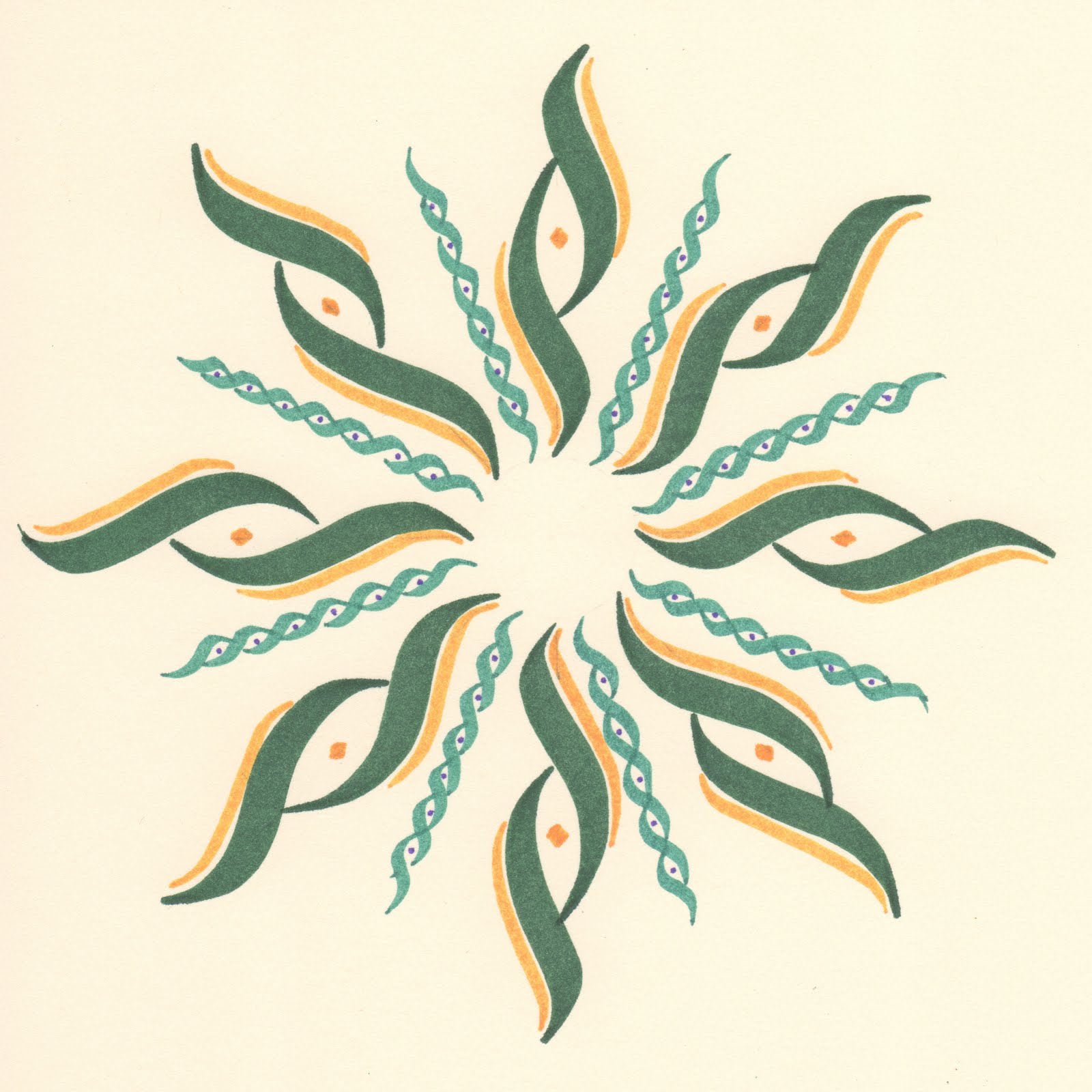
Flowers are one of the cutest and easiest things to create with ZIG Calligraphy pens, and all you need to master is one simple stroke. This stroke is a very subtle "S" shape.


  • Holding the pen at the 45 degree angle, draw downwards with a slight "S" movement of the pen.
  • Rotate the paper and draw a 2nd petal, continueing until you have a flower!


Tip: You're more likely to get a good looking flower if you draw the petals from the inside out. It just makes sure that they all meet in the middle!

Why not turn your calligraphy flowers into a project like this one from Kuretake Design Team's Emma Williams....


The flowers shown above are the easiest for beginners, but there are more advanced ones. Like these...


We've got some practice sheets on our website that you can download and print out


Learn to write with them...

Learning calligraphy is a great skill, it will add something special to your scrapbooking, journalling or simply letters and invitations to friends. It's also known to improve your own handwriting!


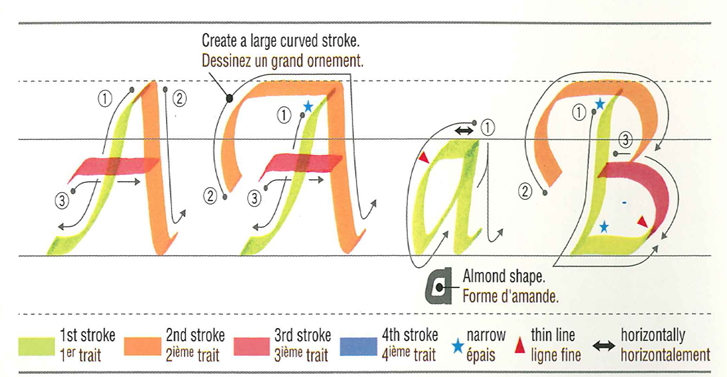
There are many different styles of Calligraphy and it is a personal preference which style you go for, but Italic is a good starting place.


The Kuretake A-ZIG book is a great way to start, and is how I learnt to do my calligraphy.


The book breaks down the strokes of each letter and also teaches you some of the more advanced flowers.


Tip! The A-ZIG book comes with worksheets to practice on but a good learning tool is to use a sheet of vellum, lay it over a page of the book and trace over the letter with a Calligraphy pen.


Martha Lever has some excellent ZIG Calligraphy tutorials, check them out here


Add layering to your lettering...

You can really get creative with your calligraphy by layering colour, here's how...


Create flourishes...

We're proud to work with talented Calligrapher Jane Farr, who is based in the US. I came across Jane's work and was thrilled to see that she was a huge fan of ZIG pens! She creates beautiful lettering, borders and some wonderful flourishes.


The main strokes of this flourish uses the same "S" shape stroke as the flowers, it's just more elongated.


Use the ink to create backgrounds...


Kuretake Design Team member Kim Dellow has some great tutorials on her blog using her "scribble" technique, which involves scribbling ZIG Calligraphy pens onto acetate, and picking up the ink with paper, you can check out her tutorial here


Get creative with ZIG Metallics!

ZIG Calligraphy pens are available in some amazing Metallic colours which look incredible on black card. Here is another of Jane Farr's fantastic creations!


Have you thought of any other uses for ZIG Calligraphy pens? We'd love to hear them!
http://kuretakezig.blogspot.com/2011/08/zig-calligraphy-markers-basics.html
 
Calligraphy Design: Simple Drawn and Painted Borders
One of the most fascinating aspects of illuminated manuscripts is the range and diversity of the borders. Elements can include stylized and naturalistic foliate drawings, (flowers, ivy, leaves, buds), geometric shapes and pen sprays often growing from border bars anchored to illuminated initials.

This demonstration will look at a few basic structures and incorporate various common elements found in manuscripts to create simple borders with added layers of complexity as a starting point to either creating your own designs or researching manuscripts to recreate “authentic” styles.

The border designs in this demonstration are a simple Symmetrical Border, a Repeating Spiral Border and a Border Bar with Ivy.

I have also included references to a few manuscripts from the British Library Catalogue of Illuminated Manuscripts for each design to give you an idea of the use, range and diversity of the elements.

Drawing Borders

What you need:

  • graph paper (refer to Calligraphy Resources page)
  • pencil, eraser
  • pointed pen nib and ink or fine point marker (e.g. Sakura Pigma Micron, Staedtler Pigment Liner)
  • tracing paper
We’ll start by working out basic structures on graph paper, but consider drawing these borders free hand to give a more dynamic, less mechanical look to your designs.

These designs use very simple shapes that are easy to draw. If you don’t think you can draw, practice the shapes a few times – you might be surprised at how well you can draw!

Basic Shapes

The basic shapes to construct the borders are lines, circle, diamond, oval, hook and a squiggle:


basic-shapes.jpg

Line, Circle, Diamond, Oval, Hook and Squiggle

We will also be using a simple flower, acanthus leaf and ivy:

flower-construction.jpg

Flower Construction

acanthus-construction.jpg

Acanthus Construction

ivy-contruction.jpg

Ivy Construction

Symmetrical Border

A very simple design containing a primary element (e.g. flower, leaf, etc.), a secondary element and pen sprays.

Manuscript References:

Lansdowne 851 f.54v
Yates Thompson 52 f.23v
Stowe 23 f. 62

Step 1:

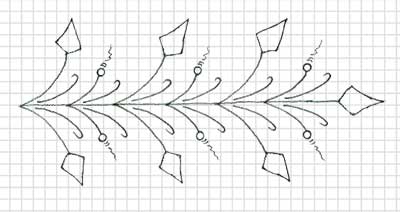
On graph paper, draw a line for the center line. Draw alternating long (first) and short (second) branches evenly spaced from the center line. It might be easier to turn the paper vertically, and use the graph squares to help create symmetrical lines.

border01step011.jpg

Step 1: Main Stem and Branches

Step 2:

Draw diamond shapes for leaves on the ends of the long branches, and circles for berries on the ends of the short branches. Try to make the leaves follow the direction of the stem.

border01step02.jpg

Step 2: Leaves and Berries

Step 3:

Draw the hook shape (pen sprays) between the branches a little shorter than the berry branches, and following the same direction.

border01step03.jpg

Step 3: Pen Sprays

Step 4:

Above the berry circles, draw two short lines and finish with a squiggle stroke.

border01step04.jpg

Step 4: Berry Pen Sprays

And we’re done! Now we can transfer the design for painting or just add a few details.

finished-border01.jpg

Finished Border

We can make a variety of borders by simply changing the elements and pen sprays. The border below uses the same structure and substitutes flowers for leaves, oval-shaped leaves for the berries, and berries for the hooks:

border022.jpg

Border with Flowers and Leaves

We could keep adding details such a pen sprays:

border-variation22.jpg

Border Variation with Pen Sprays

Of course, borders do not have to be straight – try adding some curves or have the borders “grow” from an object:

border-variation1.jpg

Border Variation

Repeating Spiral Border

A simple design that is easy to repeat around a page.

Manuscript References:

Harley 24 f.1
Harley 44 f.2
Harley 2966 ff.27v-28 – Symmetrical and Spiral Borders

Step 1:

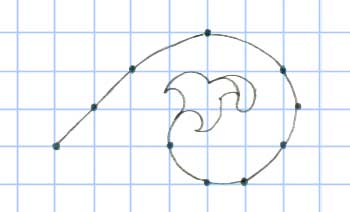
First we’ll use the graph paper to plot out a spiral shape.

step01-spiral-plot.jpg

Step 1: Plotting a Spiral Shape

Step 2:

Connect the “dots” by drawing a curved line through each point. Draw an acanthus leaf at the end of the inside line.

step02-spiral-drawn.jpg

Step 2: Spiral with Acanthus Leaf

Step 3:

Trace the design on tracing paper, then flip it and copy it:

step03-repeating-design.jpg

Step 3: Repeating the Design

Step 4:

Now we can start building elements starting with a few evenly spaced nodes – these are simply a “curved” variation of the ivy shape:

step04-add-nodes.jpg

Step 4: Adding Nodes

Step 5:

We can continue adding elements such as berries and pen spray hooks:

step05-adding-berries-and-hooks.jpg

Step 5: Adding Berries and Pen Sprays

Step 6:

Add a few details such as lines from the berries, and we’re done!

finished-spiral2.jpg

Step 6: Finished Repeating Spiral

Border Bar with Ivy

Ivy vines and leaves are generally attached to border bars and initials. These can be very simple or quite complex and often are combined with other elements and design styles.

Manuscript References:

Harley 2899 f. 34v – spiral design
Egerton 3035 f. 38 – alternating style
Egerton 3037 f.193 – simple symmetrical

Step 1:

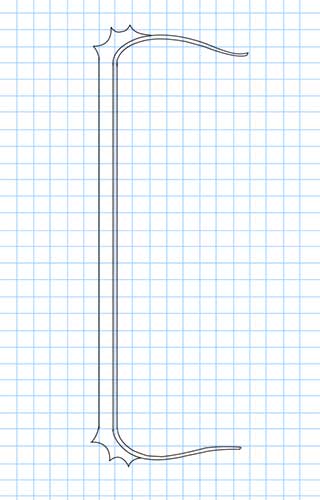
Draw parallel lines about one graph square apart for a border bar. Draw a second smaller width line outside the bar for the main vine line.

step01-first-lines.jpg

Step 1: First Lines

Step 2:

Draw a wavy line at the top and bottom extending the smaller vine lines.

step02-extending-vine-lines.jpg

Step 2: Extending Vine Lines

Step 3:

At the bottom and top of the first outside line, draw a few scalloped shapes and connect to the inside lines of the extended vine lines.

step03-extending-outer-line.jpg

Step 3: Extending Outer Lines

Step 4:

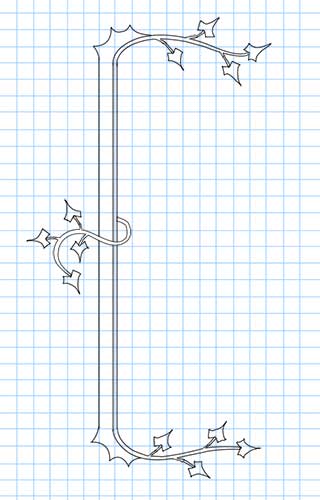
Add a second vine at the center of the bar attached to the outside vine.

step04-drawing-center-vine.jpg

Step 4: Drawing Center Vine

Step 5:

Draw alternating stems and leaves attached to the vines.

step05-drawing-branches-and-ivy.jpg

Step 5: Drawing Stems and Ivy

Step 6:

Draw section lines around the center vines and to separate scallops at the top and bottom.

step06-adding-section-lines.jpg

Step 6: Adding Section Lines

We can continue adding a few details such as pen sprays on the ivy and vines, and the design is ready to be transferred for painting.

finished-ivy-border1.jpg

Finished Ivy Border

Painting Borders

Borders are usually (but not always!) painted and they are very easy and fun! What you do depends on your design requirements whether it is a simple touch of color, elaborate layers with detailed white designs, incorporating gold leaf, grisaille, etc.

These are just a few simple suggestions using a limited palette of colors that are easy to paint. Try substituting the Yellow Ochre with a metallic gold artist paint or metallic gold gel pen!

What you need:

  • round brush (medium and small)
  • mixing palette
  • gouache paint (Opaque White, Ultramarine Blue, Cadmium Red, Yellow Ochre, Raw Umber)
  • paper suitable for water-based media
  • pointed pen nib and ink or fine point marker (e.g. Sakura Pigma Micron, Staedtler Pigment Liner)
  • ink
Optional:

  • Metallic gold paint or gel pen
Start by using tracing paper and a pencil or another method to copy a design on to the painting paper. After you having finished painting, you can outline the design using a pointed nib with ink or a fine point marker. Try to make the lines thin and not too heavy or it will look too “cartoonish”.

If the black outline looks too dark, thin out the ink so it is a gray tone, or mix a bit of brown gouache such as Raw Umber for the outlines.

Sample Symmetrical and Repeating Borders

These borders generally follow the same steps when painting:

Step 1:

Paint any areas you want in “gold” first – either with Yellow Ochre or a metallic gold paint.

Step 2:

Paint the flat areas of color (e.g. red, blue). If you are mixing a color such as green (Yellow Ochre with a bit of Ultramarine Blue), mix enough to paint all the flat areas so the color is consistent.

Step 3:

Use Opaque White to paint details in the flat colors once the paint is dry.

Step 4:

When the paint and paper are completely dry, outline the design if desired, and add in the pen sprays.

These are just a few suggestions and variations:

finishedborder01.jpg

Sample Flower Border

alternating-design.jpg

Sample Flower Variation

final-spiral-repeated.jpg

Sample Spiral Repeated

We could also use one color and paint a monochromatic design for a grisaille effect:

grisaille.jpg

Sample Grisaille Style

Sample Bar and Ivy Border

Step 1:

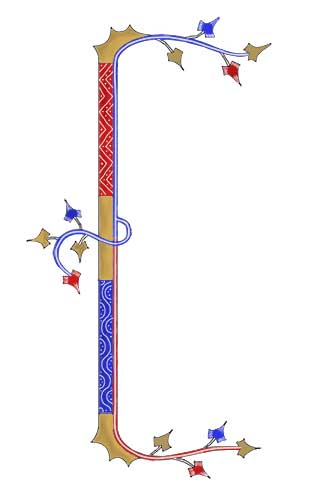
Mix up a bit of Yellow Ochre and paint center section, top and bottom scalloped areas on the bar. You can also add a bit of Raw Umber and paint a few darker strokes to make it look like gold. Paint a few ivy leaves around the border with the same color.

step01painting-gold1.jpg

Step 1: Painting Gold

Step 2:

Bar and vine colors generally alternate, so we will use Ultramarine Blue and Cadmium Red to paint the top of the bar red, the bottom blue, and switch the colors for the vine. Note that the vine color changes about halfway at the center gold section. Paint the remainder of the ivy leaves alternating red and blue.

step02painting-blue-and-red1.jpg

Step 2: Painting Blue and Red

Step 3:

Mix up Opaque White, and paint a line down the center of the vines. You might want to mask out the areas as discussed in the Calligraphy Layout: Designing a Certificate post.

Tip: Another method of painting straight lines without masking is to use short, connecting strokes rather than trying to paint one long, straight line.

step03vine-center-lines.jpg

Step 3: Vine Center Lines

Step 4

Using a small brush and Opaque White, add details to the border bars by painting straight lines in geometric shapes on the red bar, and curved line shapes on the blue bar. You can paint these as simple or as complex as you like – try adding a few white dots in the shapes, painting double lines, etc. Paint a few highlights on the edges of the blue and red ivy leaves.

step04bar-whitework1.jpg

Step 4: Painting Bar Designs and Ivy Highlights

When the paint and paper are completely dry, outline the design with a thin line of black ink or brown gouache and finish up other details such as pen sprays.

bar-and-ivy.jpg

Sample Bar and Ivy Border

These are just a few simple suggestions to get you started – try different structures, colors and elements with variations. Study manuscripts to recreate an authentic border to match a particular letter style, or create something completely contemporary!
 
Calligraphy Design: Simple Drawn and Painted Borders
One of the most fascinating aspects of illuminated manuscripts is the range and diversity of the borders. Elements can include stylized and naturalistic foliate drawings, (flowers, ivy, leaves, buds), geometric shapes and pen sprays often growing from border bars anchored to illuminated initials.

This demonstration will look at a few basic structures and incorporate various common elements found in manuscripts to create simple borders with added layers of complexity as a starting point to either creating your own designs or researching manuscripts to recreate “authentic” styles.

The border designs in this demonstration are a simple Symmetrical Border, a Repeating Spiral Border and a Border Bar with Ivy.

I have also included references to a few manuscripts from the British Library Catalogue of Illuminated Manuscripts for each design to give you an idea of the use, range and diversity of the elements.

Drawing Borders

What you need:


    • pencil, eraser
    • pointed pen nib and ink or fine point marker (e.g. Sakura Pigma Micron, Staedtler Pigment Liner)
    • tracing paper
We’ll start by working out basic structures on graph paper, but consider drawing these borders free hand to give a more dynamic, less mechanical look to your designs.

These designs use very simple shapes that are easy to draw. If you don’t think you can draw, practice the shapes a few times – you might be surprised at how well you can draw!

Basic Shapes

The basic shapes to construct the borders are lines, circle, diamond, oval, hook and a squiggle:


basic-shapes.jpg

Line, Circle, Diamond, Oval, Hook and Squiggle

We will also be using a simple flower, acanthus leaf and ivy:

flower-construction.jpg

Flower Construction

acanthus-construction.jpg

Acanthus Construction

ivy-contruction.jpg

Ivy Construction

Symmetrical Border

A very simple design containing a primary element (e.g. flower, leaf, etc.), a secondary element and pen sprays.

Manuscript References:

Lansdowne 851 f.54v
Yates Thompson 52 f.23v
Stowe 23 f. 62

Step 1:

On graph paper, draw a line for the center line. Draw alternating long (first) and short (second) branches evenly spaced from the center line. It might be easier to turn the paper vertically, and use the graph squares to help create symmetrical lines.

border01step011.jpg

Step 1: Main Stem and Branches

Step 2:

Draw diamond shapes for leaves on the ends of the long branches, and circles for berries on the ends of the short branches. Try to make the leaves follow the direction of the stem.

border01step02.jpg

Step 2: Leaves and Berries

Step 3:

Draw the hook shape (pen sprays) between the branches a little shorter than the berry branches, and following the same direction.

border01step03.jpg

Step 3: Pen Sprays

Step 4:

Above the berry circles, draw two short lines and finish with a squiggle stroke.

border01step04.jpg

Step 4: Berry Pen Sprays

And we’re done! Now we can transfer the design for painting or just add a few details.

finished-border01.jpg

Finished Border

We can make a variety of borders by simply changing the elements and pen sprays. The border below uses the same structure and substitutes flowers for leaves, oval-shaped leaves for the berries, and berries for the hooks:

border022.jpg

Border with Flowers and Leaves

We could keep adding details such a pen sprays:

border-variation22.jpg

Border Variation with Pen Sprays

Of course, borders do not have to be straight – try adding some curves or have the borders “grow” from an object:

border-variation1.jpg

Border Variation

Repeating Spiral Border

A simple design that is easy to repeat around a page.

Manuscript References:

Harley 24 f.1
Harley 44 f.2
Harley 2966 ff.27v-28 – Symmetrical and Spiral Borders

Step 1:

First we’ll use the graph paper to plot out a spiral shape.

step01-spiral-plot.jpg

Step 1: Plotting a Spiral Shape

Step 2:

Connect the “dots” by drawing a curved line through each point. Draw an acanthus leaf at the end of the inside line.

step02-spiral-drawn.jpg

Step 2: Spiral with Acanthus Leaf

Step 3:

Trace the design on tracing paper, then flip it and copy it:

step03-repeating-design.jpg

Step 3: Repeating the Design

Step 4:

Now we can start building elements starting with a few evenly spaced nodes – these are simply a “curved” variation of the ivy shape:

step04-add-nodes.jpg

Step 4: Adding Nodes

Step 5:

We can continue adding elements such as berries and pen spray hooks:

step05-adding-berries-and-hooks.jpg

Step 5: Adding Berries and Pen Sprays

Step 6:

Add a few details such as lines from the berries, and we’re done!

finished-spiral2.jpg

Step 6: Finished Repeating Spiral

Border Bar with Ivy

Ivy vines and leaves are generally attached to border bars and initials. These can be very simple or quite complex and often are combined with other elements and design styles.

Manuscript References:

Harley 2899 f. 34v – spiral design
Egerton 3035 f. 38 – alternating style
Egerton 3037 f.193 – simple symmetrical

Step 1:

Draw parallel lines about one graph square apart for a border bar. Draw a second smaller width line outside the bar for the main vine line.

step01-first-lines.jpg

Step 1: First Lines

Step 2:

Draw a wavy line at the top and bottom extending the smaller vine lines.

step02-extending-vine-lines.jpg

Step 2: Extending Vine Lines

Step 3:

At the bottom and top of the first outside line, draw a few scalloped shapes and connect to the inside lines of the extended vine lines.

step03-extending-outer-line.jpg

Step 3: Extending Outer Lines

Step 4:

Add a second vine at the center of the bar attached to the outside vine.

step04-drawing-center-vine.jpg

Step 4: Drawing Center Vine

Step 5:

Draw alternating stems and leaves attached to the vines.

step05-drawing-branches-and-ivy.jpg

Step 5: Drawing Stems and Ivy

Step 6:

Draw section lines around the center vines and to separate scallops at the top and bottom.

step06-adding-section-lines.jpg

Step 6: Adding Section Lines

We can continue adding a few details such as pen sprays on the ivy and vines, and the design is ready to be transferred for painting.

finished-ivy-border1.jpg

Finished Ivy Border

Painting Borders

Borders are usually (but not always!) painted and they are very easy and fun! What you do depends on your design requirements whether it is a simple touch of color, elaborate layers with detailed white designs, incorporating gold leaf, grisaille, etc.

These are just a few simple suggestions using a limited palette of colors that are easy to paint. Try substituting the Yellow Ochre with a metallic gold artist paint or metallic gold gel pen!

What you need:


    • round brush (medium and small)
    • mixing palette
    • gouache paint (Opaque White, Ultramarine Blue, Cadmium Red, Yellow Ochre, Raw Umber)
    • paper suitable for water-based media
    • pointed pen nib and ink or fine point marker (e.g. Sakura Pigma Micron, Staedtler Pigment Liner)
    • ink
Optional:


    • Metallic gold paint or gel pen
Start by using tracing paper and a pencil or another method to copy a design on to the painting paper. After you having finished painting, you can outline the design using a pointed nib with ink or a fine point marker. Try to make the lines thin and not too heavy or it will look too “cartoonish”.

If the black outline looks too dark, thin out the ink so it is a gray tone, or mix a bit of brown gouache such as Raw Umber for the outlines.

Sample Symmetrical and Repeating Borders

These borders generally follow the same steps when painting:

Step 1:

Paint any areas you want in “gold” first – either with Yellow Ochre or a metallic gold paint.

Step 2:

Paint the flat areas of color (e.g. red, blue). If you are mixing a color such as green (Yellow Ochre with a bit of Ultramarine Blue), mix enough to paint all the flat areas so the color is consistent.

Step 3:

Use Opaque White to paint details in the flat colors once the paint is dry.

Step 4:

When the paint and paper are completely dry, outline the design if desired, and add in the pen sprays.

These are just a few suggestions and variations:

finishedborder01.jpg

Sample Flower Border

alternating-design.jpg

Sample Flower Variation

final-spiral-repeated.jpg

Sample Spiral Repeated

We could also use one color and paint a monochromatic design for a grisaille effect:

grisaille.jpg

Sample Grisaille Style

Sample Bar and Ivy Border

Step 1:

Mix up a bit of Yellow Ochre and paint center section, top and bottom scalloped areas on the bar. You can also add a bit of Raw Umber and paint a few darker strokes to make it look like gold. Paint a few ivy leaves around the border with the same color.

step01painting-gold1.jpg

Step 1: Painting Gold

Step 2:

Bar and vine colors generally alternate, so we will use Ultramarine Blue and Cadmium Red to paint the top of the bar red, the bottom blue, and switch the colors for the vine. Note that the vine color changes about halfway at the center gold section. Paint the remainder of the ivy leaves alternating red and blue.

step02painting-blue-and-red1.jpg

Step 2: Painting Blue and Red

Step 3:

Mix up Opaque White, and paint a line down the center of the vines. You might want to mask out the areas as discussed in the Calligraphy Layout: Designing a Certificate post.

Tip: Another method of painting straight lines without masking is to use short, connecting strokes rather than trying to paint one long, straight line.

step03vine-center-lines.jpg

Step 3: Vine Center Lines

Step 4

Using a small brush and Opaque White, add details to the border bars by painting straight lines in geometric shapes on the red bar, and curved line shapes on the blue bar. You can paint these as simple or as complex as you like – try adding a few white dots in the shapes, painting double lines, etc. Paint a few highlights on the edges of the blue and red ivy leaves.

step04bar-whitework1.jpg

Step 4: Painting Bar Designs and Ivy Highlights

When the paint and paper are completely dry, outline the design with a thin line of black ink or brown gouache and finish up other details such as pen sprays.

bar-and-ivy.jpg

Sample Bar and Ivy Border

These are just a few simple suggestions to get you started – try different structures, colors and elements with variations. Study manuscripts to recreate an authentic border to match a particular letter style, or create something completely contemporary!
Cảm ơn bác, em đọc tiếng Anh luôn, mấy bông hoa nào dùng bút Parallel em sẽ học trước hoa đẹp phải biết.
 
DIY Oblique pen holder tutorial :

We are bringing you a new tutorial on board! This time you will be learning how to make a homemade oblique pen holder in less than 10 minutes, and a budget under 6 dollars. This tool will be very helpful for calligraphers who want to make copperplate calligraphy, but it can also help in any task you face with a dip pen, like drawing or flowrishing. The reason to use that kind of penholders, is that they help you get a better angle with you pen, so when you apply pressure to make your lines wider, the nib end will be pulled evenly against the paper, allowing you to achieve a maximized performance of the nib flexibility.

We hope you enjoy this tutorial and your new homemade tool as much as we do! Let´s do it!

Les traemos un nuevo tutorial! Esta vez, aprenderán cómo hacer un portaplumas oblicuo casero, en menos de 10 minutos y con un presupuesto por debajo de los 6 dólares. Esta herramienta sera de mucha utilidad para los calígrafos que quieran hacer caligrafía Copperplate, pero también puede ayudar en cualquier tarea que afronten con su pluma de inmersión, como dibujar o hacer florituras. La razón por la cual utilizar este tipo de portaplumas, es que ayuda a conseguir un mejor ángulo con la pluma, para que cuando apliquen presión para ensanchar los trazos, la punta de la pluma será empujada de manera pareja contra el papel, permitiendo maximizar el desempeño de la flexibilidad de la pluma.

Esperamos que disfruten este tutorial, y su nueva herramienta casera tanto como nosotros!Manos a la obra!

Materials / Materiales

-A small tin´s cover (for example: canned tuna, beans, tomatoes, etc. and NO drink cans like beer or soda) / La tap de una lata pequeña (Por ejemplo: Atún, porotos o tomates enlatados, etc. NO latas de bebidas como cerveza o gaseosa)

-A cheap brush / Un pincel barato

-Copperplate nibs / Plumas para copperplate

-A boxcutter or a scalpel / Un cutter o un bisturí

-A round nosed pliers / Una pinza de punta redonda

– A pair of scissors / Unas tijeras:

Step 1: Take the brush and disassemble it.

Paso 1: Tomar el pincel y desmontarlo.


Step 2: Make an incision on the brush holder with the boxcutter, as shown on the pictures

Paso 2: Hacer una incisión en el cuerpo del pincel con el cutter, como se muestra en las fotos.


Step 3: Take the cover of the tin and cut out a rectangular piece with the scissors, cut it as big as possible.

Paso 3: Tomar la tapa de la lata y cortar una pieza rectangular con las tijeras, cortarla tan grande como sea posible.


Step 4: Fold the rectangular piece by the middle.

Paso 4: Doblar la pieza rectangular por la mitad.


Step 5: Tighten the fold with the pliers.

Paso 5: Apretar el doblez con las pinzas.


Step 6: Insert the nib shank on the folded metal piece, and press the plate using the pliers, to adjust the plate to the nib shape.

Paso 6: Insertar la parte trasera de la pluma en la pieza de metal doblado, y presionar utilizando las pinzas, para ajustar la chapa a la forma de la pluma.


Step 7: Cut the other side of the plate between a 45-60 degrees angle, you can try out different angle cuts to see which one works better for you.

Paso 7: Cortar el otro lado de la chapa en un ángulo de entre 45-60 grados, pueden probar cortes en diferentes ángulos para ver cuál funciona mejor para ustedes.


Step 8: Take the plate with the nib on, and push it to fit inside the incision you´ve made in the brush body. For faster and more reliable results use glue.

Paso 8: Tomar la chapa con el plumín en ella, y presionarlo para que entre en la incision realizada en el cuerpo del pincel. Para resultados mas rápidos y confiables, utilizar pegamento.


Paso 9: You now have your oblique pen holder, in less than 10 minutes. You can also use bamboo sticks, wooden holders or any other stick comfortable to hold and apply the same technique. And you can use a little bolt to fasten the nib holder to the stick, so you can readjust the nib angle. If you do this, you might need to do a round cut to the plate with the scissors, so it can rotate properly.

Paso 9: Ahora tienen su portaplumas oblicuo, en menos de 10 minutos. También es posible utilizar varillas de bambú, de madera, o cualquier otro tipo de vara cómoda de sostener y aplicar la misma técnica. Y también se puede utilizar una tuerca pequeña para agarrar el portaplumas a la varilla, así podrán reajustar el ángulo de del plumín. Si hacen esto, podría ser necesario hacer un corte redondo a la chapa con las tijeras, para que pueda girar de manera apropiada.


The above tutorial was inspired by tutorial of Erkan Tenekeci from Turkey and made by me.

The following tutorials and pens are also made by ErkanTenekeci :

First using a simple plastic compass and wooden holder:


DIY oblique pen holder with Bamboo sticks:


Another bamboo oblique pen holder:


DIY Obliqe tootbrush pen holder
simple-smile.png


One more toothbrush pen holder, this time by Barbara Galińska :


Another creative example of creating very fast effective oblique pen holder is by using 4 chop sticks, binder clip & glue or tape by Jungwook Han ( @hani_han_han_han )


If you make you own oblique pen holder or another creative way to create it, we would love to see photos of the results, send your pictures and we will publish them!

Si realizan su propio portaplumas oblicuo o si tienen alguna otra manera creativa para crearlos, amaríamos ver fotos del resultado, envíanos tus fotos y las publicaremos!

info@calligraphymasters.com

If you enjoyed this tutorials and want to see some more check out: How to make your own parallel & Gothic pens & How to make your own irongall ink

If you like what you’re seeing on our web site feel free to subscribe to our newsletter ( placed in the footer area) thanks for viewing the tutorial.

Here is the version of Ah Jo who created his Oblique pen holder based on this tutorials few hours after we posted the tutorial. He followed the tutorial but experimented with some other materials and here is what he came up as his custom made Oblique pen holder, which we are very happy about:


http://calligraphymasters.com/diy-calligraphy-oblique-pen-holder/
 
Back
Top